Why Reporting Equine Flu Matters
Equine influenza is a highly contagious respiratory disease affecting horses, and recent calls from the industry highlight just how important it is to report confirmed outbreaks. Sharing information quickly helps owners, vets and equestrian organisations respond appropriately, reducing the risk of further spread and protecting horses across the UK.
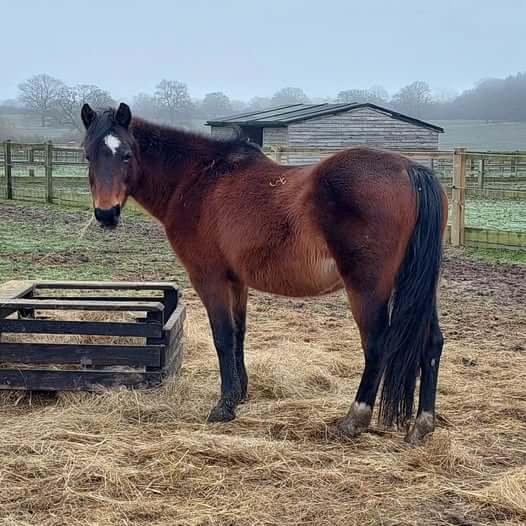
At Remus Horse Sanctuary, the health and wellbeing of our horses, donkeys and other animals is always our priority. Good biosecurity, vigilance and access to accurate information all play an important role in helping to protect equines and reduce the risks posed by infectious diseases.
This article from Horse & Hound explains why greater reporting of equine flu outbreaks is being encouraged and what it means for horse owners. It’s well worth a read if you want to understand more about the importance of monitoring and managing this disease.
If you would like to meet the animals at Remus Horse Sanctuary and learn more about our welfare work, we will be opening our gates for several special events throughout the summer months. We would love to welcome you to the Sanctuary and share more about the work we do. Full details of upcoming events can be found on our website: www.remussanctuary.org/event-category/all-events.
Giving our horses the quality of life they deserve
Quality of life is so important to us here at Remus. We aim to give all of our residents as comfortable a life as possible, but can we really know what makes our horses happy?
A group of researchers from the UK, New Zealand and Australia are working to identify accurate ways to measure a horse’s emotional wellbeing, so that we can all keep better track of our horses’ welfare.
The researchers have reviewed two areas that could reflect their wellbeing; equine behaviours and physical measures, such as heart rate.
They found that behaviours were more reliable in assessing welfare than physical measures, although these should still be taken into account. Behaviours such as: feeding behaviour, interaction with other horses and with humans, and interest in the environment around them most clearly indicated their emotional state. For example, when they were happy, the horses had more friendly social interactions.
Basic welfare requirements include food, water and shelter, but this study reinforces the fact that horses’ needs are much more complex than this.
At Remus our residents have access to whatever their individual needs require. They have deep beds, heat lamps and pain relief, if needed, for arthritis or other issues to keep them stress free and relaxed. We also have music and give self-selection herbs, and of course regularly check for dentition issues, take worm counts, feed high-calorific, high-fibre mashes and weigh them weekly to ensure we are keeping on top of their weight.
You can read more about the study into quality of life here.
If you would like to sponsor one of our animals, you can do so here.
Remus Drought
Other Appeal