The Hidden Danger in Your Pasture: Ragwort Awareness
What every horse owner and livestock keeper should know about this common plant…
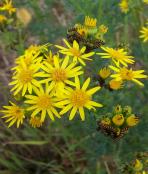
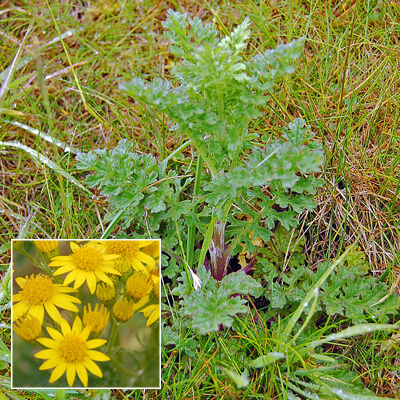
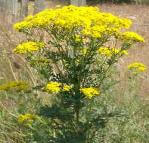
Ragwort may look like a bright splash of yellow in the countryside, but it can be deadly to horses and other grazing animals. The plant contains toxins that damage the liver, and the effects can build up over time, sometimes without obvious symptoms until it is too late. This is why managing ragwort around grazing land is so important.
As shared recently by Your Horse magazine, Natural England has confirmed that the complaints process for ragwort control will reopen from April this year, a move widely welcomed across the horse world.
At Remus Horse Sanctuary, we’ve been raising awareness of the dangers of ragwort for many years, including in our blog The Battle with Ragwort. In the past we have sometimes been targeted by online trolls for speaking out – even though we have never called for the plant to be wiped out. We understand its importance in the wider ecosystem, including as a food source for species such as the cinnabar moth. Our concern is simply to ensure that horses and other grazing animals are kept safe.
Our priority is always the welfare of the horses in our care and in the wider community. By raising awareness and encouraging responsible action, we hope to prevent unnecessary harm while respecting the wider ecosystem. If you are a horse owner or manage grazing land, now is a good time to check your pastures and take simple steps to keep horses safe.
We’re looking forward to our first Open Day of the 2026 season which will take place on Sunday 3 May. You can find full details here and buy your ticket in advance.
Remus Drought
Other Appeal